
How to Embrace AI and Learn Skills to Take Advantage of this New Technology
We are no longer asking if Artificial Intelligence will change the world of work, but how fast it already is. Every industry today is being reshaped by AI, from education and healthcare to business, marketing, and technology. Tasks that once required large teams are now being automated, while entirely new job roles are emerging that never existed a few years ago.
This shift is creating both fear and opportunity. While some worry about job loss, others are learning how to position themselves for the new digital economy. The truth is simple: AI will not replace people, but people who know how to use AI will replace those who do not.
To thrive in this new era, it is no longer enough to rely on traditional skills. You must understand how to learn, adapt, and grow with technology.
Embrace Lifelong Learning
One of the most important ways to stay ahead in the AI era is to keep learning continuously. AI tools and systems are always evolving, so workers must be open to learning new skills, attending training, and staying updated with industry trends. Lifelong learning helps you remain competitive in any career path.
Develop Strong Soft Skills
While AI is powerful in handling data and repetitive tasks, it cannot replace human creativity and emotional intelligence. Skills like communication, teamwork, critical thinking, and problem-solving are becoming even more valuable. These are the skills that make you stand out in any workplace.
Be Agile and Adaptable
The world of work is changing quickly due to AI. Being agile means being flexible, open to change, and willing to learn new roles when needed. People who can adapt easily will find it easier to grow in the new digital economy.
Specialize in High-Demand Skills
As AI becomes more common, employers are looking for people with specialized skills in specific areas. Developing deep knowledge in a field helps you stand out and increases your career opportunities, especially in tech-driven industries.
Learn with I Teach Globally
This is where plays an important role in preparing learners for the future of work. The platform offers industry-focused programs designed to match current employer needs, including:
1. Product Management
2. Frontend Development
3. Backend Development
4. Mobile App Development
5. Digital Wealth Blueprint
6. Teach English Online
7. TELF Specialization
8. Diploma in Applied Generative AI
These courses are designed to equip learners with practical, job-ready skills that support career growth and smooth transitions into tech and digital careers.
Your Future Depends on What You Do Next
The rise of Artificial Intelligence is not a distant event, it is happening right now, reshaping careers, businesses, and entire industries. Those who ignore it risk being left behind, while those who choose to understand and embrace it will open doors to opportunities that did not exist before. Success in this new era will not come from resisting change, but from learning how to grow with it. The most valuable professionals will be those who combine human skills with digital intelligence, and who are willing to continuously upgrade themselves.
AI is not the end of work, it is the beginning of a smarter way of working. The question is no longer whether change will happen, but whether you are ready for it.
A few years ago, being "future-ready" often meant learning a new software, earning another certification, or staying updated with industry trends. Today, the conversation has changed. Artificial intelligence is no longer a technology reserved for research labs or tech companies. It is helping doctors diagnose diseases, supporting teachers in creating personalized lessons, assisting businesses in making faster decisions, and changing how creative professionals design, write, and innovate.

As AI becomes a part of everyday work, it is natural to wonder what this means for careers. Will machines replace jobs? Which professions will change the most? And perhaps the biggest question of all, what skills will still matter in a world where AI can perform many tasks in seconds?
The answer is more encouraging than many expect.
While AI is transforming how work gets done, it is also placing greater importance on qualities that have always defined human potential. Creativity, adaptability, critical thinking, leadership and the ability to ask meaningful questions are becoming more valuable than ever. These are the skills that help people solve complex problems, build relationships, inspire teams and make thoughtful decisions, areas where technology can assist but cannot replace human judgement.
Over the next ten years, AI is expected to create millions of new jobs while transforming existing ones. Roles like AI specialists, data scientists, and automation engineers will be in high demand, while traditional jobs will incorporate AI-powered tools to increase efficiency. Professionals who embrace artificial intelligence skills now will have a significant advantage in the future job market, securing roles that require AI-driven expertise.
By investing in AI skills today, you can future-proof your career and stay ahead in an AI-powered world.
In today’s rapidly evolving job market, developing AI skills is no longer optional—it’s essential for career growth. From business and healthcare to marketing and finance, artificial intelligence skills are transforming how industries operate. Professionals who equip themselves with skills for AI will have a competitive edge, making them more valuable in their respective fields.
If you’re looking to future-proof your career, now is the time to start learning AI. With advancements in automation, data analysis, and machine learning, professionals who understand and apply AI effectively will be at the forefront of innovation. Fortunately, there are plenty of ways to gain AI expertise, including Free Online Courses with Certificates that allow you to upskill without financial barriers.
Don’t wait to adapt—start building your AI skills today. Whether you are a beginner or a professional looking to enhance your knowledge, Oxford Home Study Centre offers a variety of AI courses designed to help you succeed. Explore OHSC’s AI programs and take the first step toward a thriving career in an AI-driven world.
The future of work will not be defined by people competing against AI. Instead, it will be shaped by professionals who know how to collaborate with intelligent technologies while bringing their own ideas, empathy and experience to the table.
 Why Is AI Redefining the Skills We Need?
Every technological revolution has changed the workplace. The industrial revolution transformed manufacturing. The internet changed communication and business forever. Smartphones redefined how people access information. Artificial intelligence is now driving the next major transformation, and its impact is reaching almost every profession.
Today, AI can analyse vast amounts of data, summarise lengthy reports, automate repetitive administrative work, generate code, draft marketing content and even support customer service. Tasks that once required hours can often be completed within minutes.
This shift is not simply about doing the same work faster. It is changing what organisations value most in their workforce.
When repetitive work is automated, employees are expected to focus on responsibilities that require judgement, innovation, collaboration and strategic thinking. Employers are increasingly looking for professionals who can learn continuously, solve unfamiliar problems and confidently work with AI tools instead of being intimidated by them.
Rather than replacing people, AI is changing the nature of work. It is creating a future where technology handles routine processes while humans concentrate on creating ideas, making decisions and building meaningful connections.
That is why future-ready skills are becoming one of the most important investments anyone can make.
Five Skills That Will Shape the Future of Work
As AI takes over routine and repetitive tasks, the qualities that define human potential are becoming more valuable than ever. While technical knowledge will continue to evolve, certain skills will remain essential because they enable people to think independently, collaborate effectively and navigate change with confidence. These are the capabilities that will help individuals and organisations thrive in an AI-powered future.
1. Adaptability: Staying Relevant in a Constantly Changing World
The pace of technological change has never been faster. New AI models, platforms and workplace tools are emerging almost every month, making continuous learning an essential part of every profession.
Adaptability is more than simply accepting change; it is the ability to grow with it. It means being willing to learn new skills, experiment with unfamiliar technologies, and rethink established ways of working when better solutions emerge.
Professionals who embrace change tend to discover new opportunities instead of seeing disruption as a threat. They are comfortable stepping outside their comfort zones and recognise that learning does not stop after formal education.
In an AI-driven world, adaptability is what keeps careers relevant.
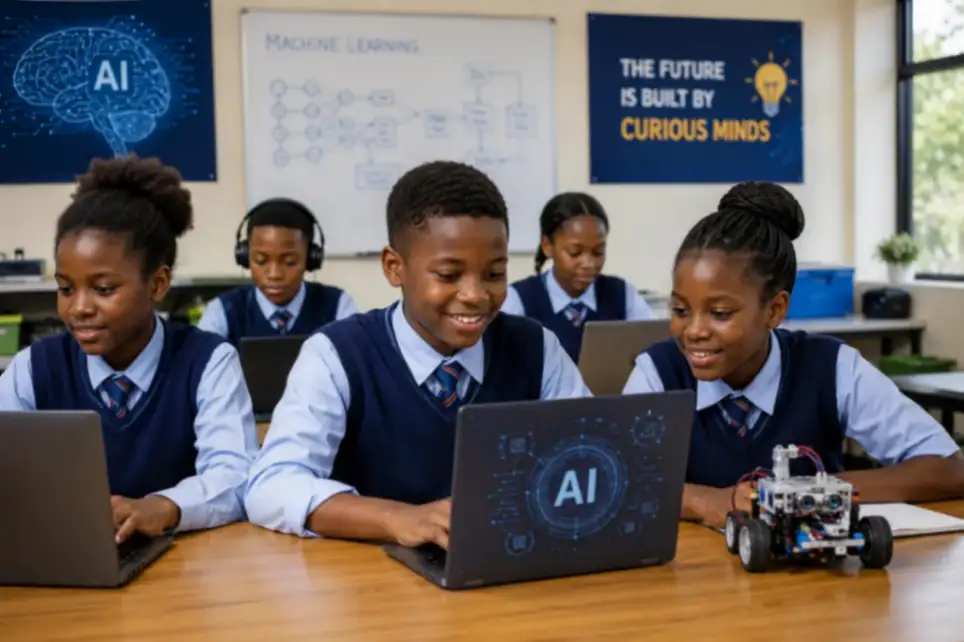
2. Creativity: Turning Ideas into Innovation
While AI can generate content, analyse information and automate processes, true innovation begins with human imagination. Creativity is what enables people to think differently, connect ideas and develop solutions that technology alone cannot conceive.
Whether it is designing a product, solving a business challenge or creating a new customer experience, creative thinking remains one of the most valuable skills in any industry. As AI handles routine execution, originality and fresh perspectives will become even more important.
3. Prompting: The New Language of Human-AI Collaboration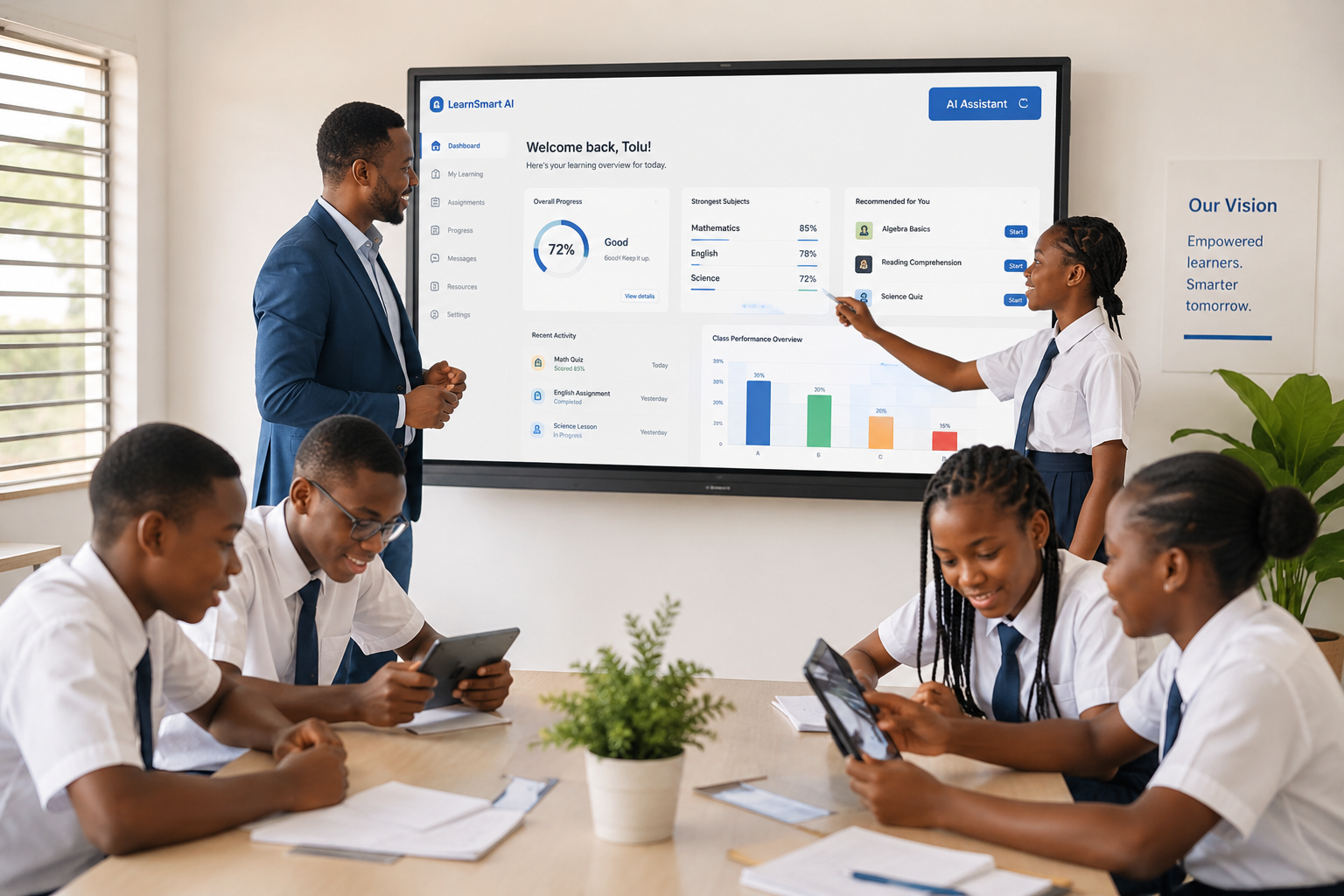
Knowing how to communicate effectively with AI is quickly becoming an essential workplace skill. A well-crafted prompt provides clear context, defines the objective, and guides AI towards producing meaningful and accurate results.
Prompting is not just about using AI tools; it is about asking better questions, refining responses, and combining technology with human judgement. Those who master this skill will be able to work faster, make better decisions and unlock greater value from AI.
4. Leadership: Guiding People Through Transformation
Technology may change how organisations operate, but people will always need leaders who can inspire confidence, manage uncertainty and bring teams together.
Leadership in the AI era is about more than managing processes. It requires empathy, ethical decision-making, collaboration and the ability to help people embrace change while ensuring technology is used responsibly.
5. Critical Thinking: Making Smarter Decisions in the Age of AI
AI can generate information in seconds, but it cannot always determine whether that information is accurate, unbiased or appropriate. Critical thinking helps professionals evaluate AI-generated outputs, question assumptions and make informed decisions.
In an era where information is abundant, the ability to analyse, verify and apply sound judgement is becoming one of the most valuable skills of all. AI can provide insights, but people must decide how those insights should be used.
Why Human Skills Are Becoming the New Competitive Advantage
As AI becomes more capable, technical expertise alone is no longer enough to stand out. Organisations are increasingly recognising that long-term success depends on people who can combine technological knowledge with qualities that remain uniquely human.
The ability to collaborate across teams, communicate ideas clearly, build trust, understand different perspectives and solve unfamiliar problems is becoming a defining advantage in every industry. These skills help businesses innovate, respond to uncertainty and create meaningful value for customers in ways that technology alone cannot achieve.
This shift is also changing how organisations invest in talent. Rather than focusing only on technical training, many are placing greater emphasis on developing adaptable leaders, creative thinkers and professionals who can confidently work alongside AI while making thoughtful, ethical decisions.
The future will not belong to those who simply know how to use AI. It will belong to those who know how to combine its capabilities with human insight, empathy and imagination.

Preparing for the Next Chapter of Work
Artificial intelligence will continue to reshape industries, create new opportunities and redefine careers. Yet the most valuable professionals will not simply be those who understand the latest technology, they will be the ones who know how to use it thoughtfully, creatively and responsibly.
Building future-ready skills is no longer just about career growth; it is about staying relevant in a world that is constantly evolving. Adaptability, creativity, prompting, leadership and critical thinking are not temporary trends. They are enduring capabilities that will remain valuable regardless of how technology changes.
These are also the conversations taking centre stage at World AI Summit 2026, where global technology leaders, policymakers, innovators and business executives come together to explore not only the future of artificial intelligence but also the future of the people who will shape it.
Because while AI will transform the way we work, it is human potential that will continue to define how far we can go.
In today’s rapidly evolving digital world, AI skills are becoming increasingly essential across industries. From healthcare to finance, manufacturing to retail, and education to entertainment, artificial intelligence is revolutionizing the way businesses operate. As organizations integrate AI-driven solutions to enhance efficiency, decision-making, and customer experiences, professionals with strong artificial intelligence skills are in high demand.
The growing reliance on AI means that individuals who develop the right skills for AI will have a competitive edge in the job market. Companies are seeking employees who can understand, implement, and manage AI-powered technologies, making AI expertise an asset. Whether you are an aspiring data scientist, business analyst, or digital marketer, learning AI skills can open doors to new career opportunities and accelerate professional growth.
Beyond job opportunities, AI is shaping the future of work by automating repetitive tasks and enabling workers to focus on strategic and creative problem-solving. Understanding AI-driven tools, machine learning, and data analysis can help professionals adapt to these changes and thrive in an AI-powered workplace. As AI continues to advance, individuals who invest in learning artificial intelligence skills will be better positioned for career success.
For those looking to get started, there are numerous ways to learn AI skills, including These courses provide accessible and affordable ways to build foundational knowledge in AI without financial barriers. By enrolling in these programs, beginners can gain a strong understanding of AI concepts and enhance their employability in the digital age.
One of the key industries experiencing a major AI shift is healthcare. AI-powered diagnostics, robotic-assisted surgeries, and predictive analytics are improving patient outcomes and streamlining medical processes. In finance, AI is used for fraud detection, algorithmic trading, and risk assessment, making financial institutions more secure and efficient. The education sector is also leveraging AI for personalized learning, automated grading, and intelligent tutoring systems, making learning more interactive and accessible. Similarly, business and marketing rely on AI for customer insights, chatbots, and predictive analytics to enhance decision-making.

The increasing demand for AI professionals is evident in job market trends. According to reports from LinkedIn and the World Economic Forum, roles such as AI engineers, data scientists, and machine learning specialists are among the fastest-growing job titles globally. A study by PwC predicts that AI could contribute up to £12.5 trillion to the global economy by 2030, further emphasizing the need for individuals with skills for AI.
As AI adoption expands, professionals across all industries must upskill to stay competitive. Fortunately, numerous Free Online Courses with Certificates are available to help learners develop essential AI skills at no cost. These courses provide foundational and advanced training in AI, enabling individuals to take advantage of the rising job opportunities in AI-powered industries.
As artificial intelligence continues to reshape industries, acquiring AI skills is becoming crucial for career advancement. Whether you're entering the tech industry or working in business, finance, or healthcare, developing artificial intelligence skills will help you stay competitive. Below are some of the most important skills for AI that professionals should focus on:
Data Analysis & AI-driven Decision Making
AI thrives on data, making data analysis a critical skill for professionals in any industry. Businesses leverage AI-driven insights to optimize strategies, improve customer experiences, and enhance operational efficiency. From sales forecasting to financial risk assessment, AI’s ability to process vast amounts of data helps organizations make smarter, data-driven decisions.
AI Skills for Different Career Paths
As artificial intelligence skills become more essential across industries, professionals from various fields can benefit from learning AI skills to enhance their careers. Whether you're in business, marketing, software development, or healthcare, understanding how AI impacts your field can give you a competitive advantage. Below are key skills for AI in different career paths:
AI for Business Professionals
Business professionals can leverage AI-powered analytics to improve decision-making and strategy. AI tools help analyze vast amounts of data, identify trends, and automate repetitive tasks such as financial reporting, customer service, and supply chain management. Automation through AI reduces costs and increases efficiency, making it a valuable skill for managers and executives looking to optimize operations.
AI for Marketers
In digital marketing, AI is transforming content creation and audience targeting. AI-driven content creation tools generate personalized marketing copy, ad creatives, and social media posts. AI also enables advanced customer segmentation and behavioral analysis, providing deep customer insights to improve engagement and conversion rates. Marketers who understand AI can enhance campaigns with automation and predictive analytics.
AI for Developers and Engineers
For developers and engineers, coding AI models and building automation solutions are highly sought-after skills. AI engineers work with machine learning frameworks like TensorFlow and PyTorch to develop intelligent applications. From chatbots to recommendation engines, AI-powered solutions require expertise in data science, algorithm development, and automation.
How to Learn AI Skills for Career Growth
With the increasing demand for AI skills, professionals and beginners alike are seeking ways to gain expertise in artificial intelligence. Whether you're looking for free online courses with certificates or advanced training, there are numerous learning pathways available to help you build skills for AI and enhance your career prospects.
Free and Paid AI Courses for Beginners and Professionals
A great way to start learning artificial intelligence skills is through structured courses. Many online platforms offer free AI courses that provide fundamental knowledge in machine learning, deep learning, and AI applications. Some of the best Free Online Courses with Certificates are available from institutions like Oxford Home Study Centre (OHSC)
For those looking for more in-depth learning, paid AI certification programs offer specialized training in areas such as neural networks, AI-powered automation, and big data analytics. These courses often include mentorship, practical projects, and career guidance, making them valuable for professionals aiming to transition into AI roles.
AI certifications can significantly boost job prospects, as employers seek professionals with verifiable AI skills. Certifications from recognized institutions demonstrate expertise and commitment to learning AI. They also help professionals stand out in fields like business intelligence, finance, healthcare, and software development.
Hands-on Learning: AI Projects, Internships, and Real-World Applications
Beyond coursework, practical experience is crucial in mastering skills for AI. Engaging in AI projects, contributing to open-source initiatives, and participating in AI hackathons can provide real-world exposure. Many AI certification programs also offer internships, allowing learners to apply their skills in actual business environments.
By combining structured learning, certification, and hands-on practice, professionals can develop the AI skills needed to thrive in the evolving job market.
Future-Proofing Your Career with AI
As artificial intelligence continues to reshape industries, gaining AI skills is no longer just an advantage—it’s a necessity. Whether you’re in business, marketing, finance, healthcare, or IT, artificial intelligence skills are becoming essential for staying competitive. Future professionals must understand how AI integrates into their fields and leverage it for career growth.
How AI Literacy Will Be a Key Skill in Almost Every Profession
AI is no longer confined to tech-related roles. Business professionals use AI-powered analytics for decision-making, marketers rely on AI-driven content creation, and healthcare experts utilize AI for diagnostics and patient care. Even HR professionals are adopting AI for recruitment and workforce management. Understanding skills for AI will be as fundamental as digital literacy in the coming years, making it crucial for professionals to upskill.
Posted on 2026/11/21 08:59 AM