
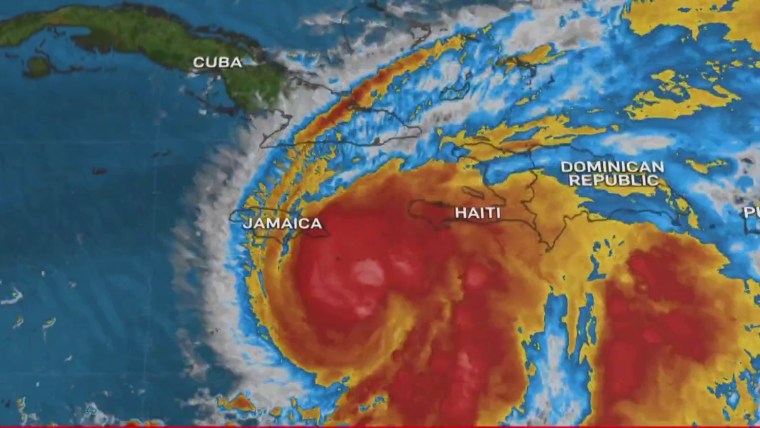
Hurricane Melissa
Currently a Category 4 storm and moving slowly across the Caribbean Sea, Melissa is forecast to strengthen to Category 5, with sustained winds of at least 157 mph (about 252 kmh).Countries across the region, including Jamaica, Haiti, Cuba and the Dominican Republic, are expec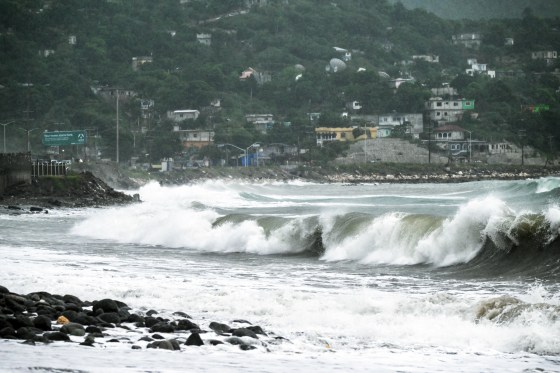 ted to endure several days of intense weather, amid fears that infrastructure could be overwhelmed and essential services disrupted.Many Jamaican communities "will not survive this flooding," said Desmond Mackenzie, Jamaica’s minister of local government and community development.Jamaican officials anticipate mandatory evacuations.All shelters across Jamaica have been activated, housing 280 people as of Sunday afternoon.In Port Royal, Jamaica, Margaret Barkes said she was the only woman on an evacuation bus. She told NBC News she’s evacuating because she is a lupus patient and doesn’t want to be stuck without doctors nearby.
“Even though I have my medication here, I’m still not taking any chance,” Barkes said. "“But to be honest, without my condition, I would have stayed.”
Barkes said she doesn't expect anyone else to join her on the evacuation bus, adding that nobody is afraid in Port Royal, where she has been a resident for over 45 years.Life-threatening storm surge is expected on the south coast of Jamaica late Monday through Tuesday morning. Surge heights could reach 9 to 13 feet above ground level and will be accompanied by large and destructive waves, the NHC said.With landfall in Cuba also likely, the country's government on Sunday issued a hurricane warning for the provinces of Granma, Santiago de Cuba, Guantánamo and Holguín.Evacuation buses are parked in vulnerable areas waiting to evacuate residents, but "the response is not there," said Daryl Vaz, Jamaica’s minister of science, energy, telecommunications and transport."There has always been a hesitancy when evacuation orders are given," said Vaz. "Do not take this one lightly. This may be the one."
“All efforts to prepare for the arrival of hurricane are vital to mitigate damage and loss of life in the most vulnerable communities, especially in regions like the Caribbean. Small islands always face heightened vulnerability to extreme climate events,” said Roberto Benes, Director for Latin America and the Caribbean at UN Children’s Fund (UNICEF).
Hurricane Melissa strengthened into a Category 4 storm as it churned northwest through the Caribbean Sea on Sunday, taking a direct aim at Jamaica, according to the latest advisory from the National Hurricane Center (NHC).With torrential rainfall over the next few days, both Jamaica and the island containing Haiti and the Dominican Republic could receive 15 to 30 inches of rain.Some parts of the southern peninsula of Haiti and Jamaica potentially could receive up to 40 inches of rain, likely resulting in catastrophic and life-threatening flash flooding, as well as numerous landslides.“UNICEF helps strengthen national capacities to anticipate and respond to climate-related emergencies and to deliver essential services for children. This is fundamental to protecting those who need it most.”
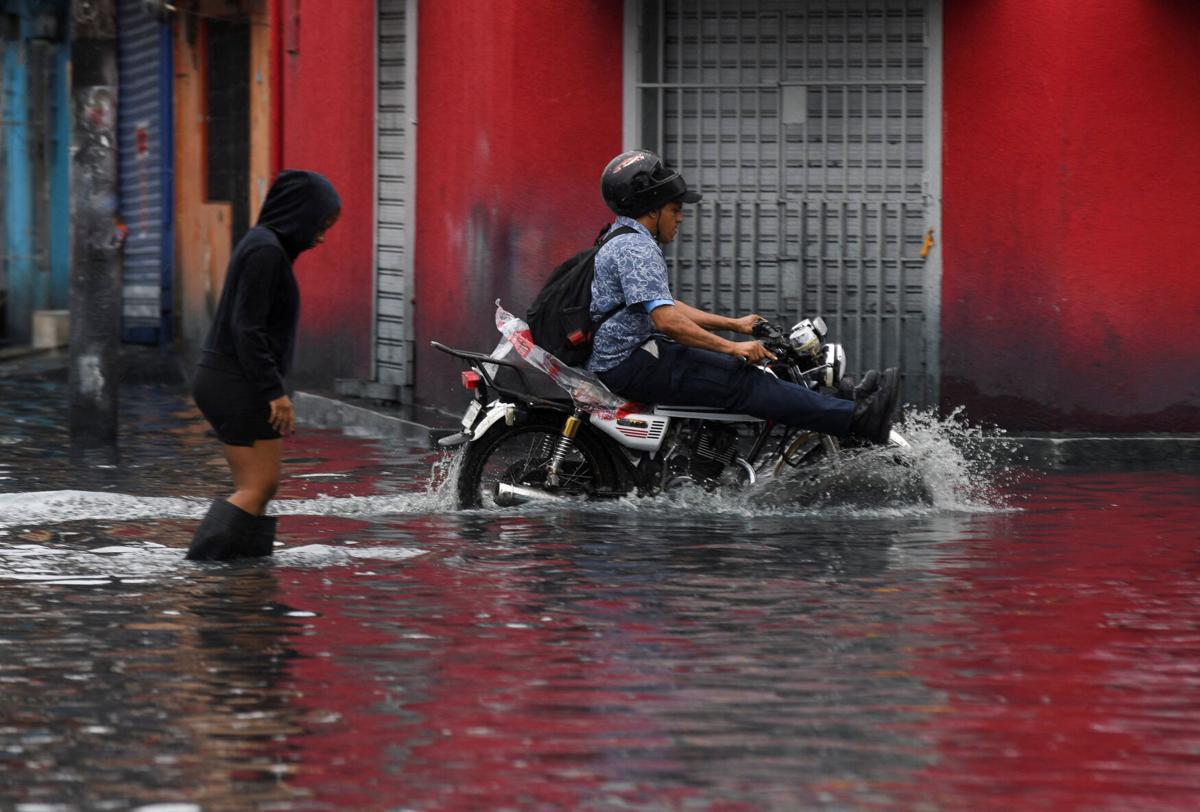
In Haiti, 450 metric tons of food has been prepositioned and cash transfers provided to 9,500 households in the south to mitigate the storm’s impact. About 3,400 hygiene kits, non-food items and shelter for 44,000 households and medical kits for 11,000 people have also been positioned.In Jamaica, the Red Cross and local authorities have mobilised early, preparing emergency shelters and stockpiling relief items for some 165,000 people in high-risk parishes, including Saint Elizabeth, Clarendon, Saint Catherine, Kingston, Saint Thomas and Portland.Communities are already experiencing heavy rainfall and gusty winds, and forecasters warn that flooding could surpass that caused by Hurricane Beryl 16 months ago, which left significant financial and infrastructural damage.Flooding is expected to be severe in low-lying, coastal and informal settlements, with heavy rainfall likely to trigger landslides in mountainous areas. Ports, airports and key infrastructure could also be disrupted, complicating emergency response.

 There are also reports of deaths and injuries. In Haiti, three people were killed and one severely injured in a landslide in the western part of capital Port-au-Prince. A death has also been reported in the Dominican Republic.
Rising risks for the Caribbean
Over the past decade, approximately 11 million people, including nearly four million children, were directly affected each year by disasters across Latin America and the Caribbean, according to UNICEF.As the storm approaches, national authorities are urging communities to follow safety guidance, evacuate vulnerable areas and seek shelter.UN agencies continue to coordinate with governments and partners, emphasising the protection of children and the most vulnerable populations.\The deadly flash floods in central Texas that claimed more than 100 lives over the July Fourth weekend in the United States have underscored the devastating power of this fast-onset hazard – and the critical challenge of ensuring early warnings reach vulnerable populations, even in the dead of night.
The 2024 Atlantic hurricane season officially concludes this weekend, leaving a trail of destruction, loss of life and massive economic damage across the Americas and the Caribbean, the UN meteorological agency reported on Friday.
Melissa has already turned deadly across Haiti and the Dominican Republic, but AccuWeather meteorologists warn that the worst may be yet to come with the storm on track to intensify.
As Hurricane, Melissa slowly churns across the warm waters of the Western Atlantic over the upcoming days, AccuWeather hurricane experts continue to sound the alarm bells that a very dangerous and deadly situation is unfolding across the Caribbean. Melissa turns deadly in Haiti, Dominican Republic
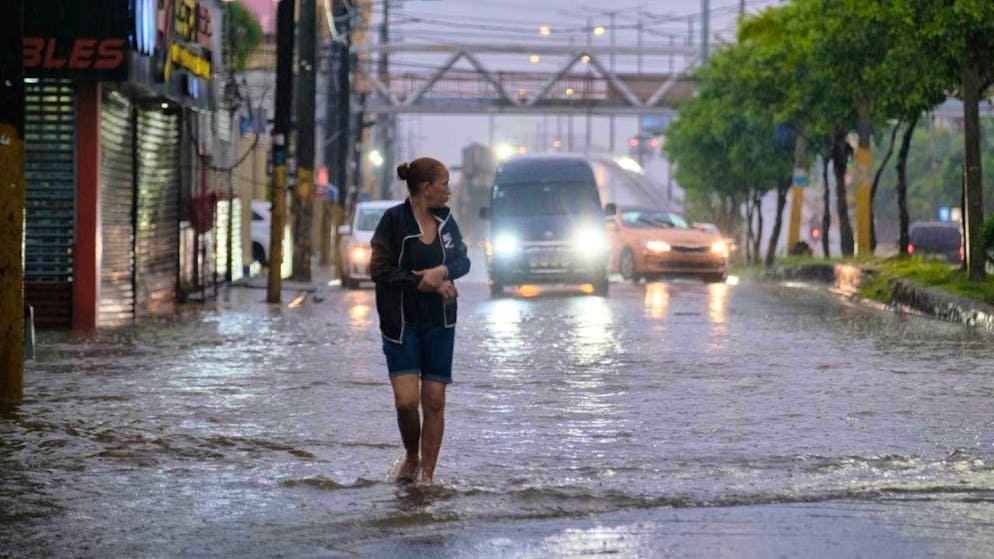
As of Saturday afternoon, at least four fatalities have already been attributed to Melissa across Haiti and the Dominican Republic. With additional rain, wind and storm surge expected to be unleashed across the Caribbean as the storm gains strength, conditions are likely to rapidly deteriorate more in the coming days.Into early this week, this storm is forecast to gradually track in a general northwest fashion across a portion of the Western Caribbean. By late Monday, Melissa's track will be influenced by the larger-scale pattern of the jet stream, allowing it to curve northward and shoot northeastward as the week goes on, making multiple landfalls as it travels across the northern Caribbean. Melissa strengthened to a Category 4 hurricane (maximum sustained winds of 130-156 mph) early Sunday morning prior to it's approach along the southern coastline of Jamaica. Melissa is expected to reach Category 5 designation (maximum sustained winds of 157 mph or greater) early this week.

 What rapid intensification will mean for Jamaica
As Melissa gradually treks northward toward Jamaica, it will cross over some of the warmest waters in all of the Western Atlantic, which will help to fuel further intensification of the storm.Between the elevated sea surface temperatures surrounding Jamaica and a decrease in wind shear ahead of the storm (strong winds at various levels of the atmosphere that can cause storm disorganization and negatively impact intensity), it is a combination for intense strengthening.“Much of Kingston’s critical infrastructure is located in low-lying areas that are vulnerable to storm surge. A key power plant, airport, shipping port, fuel terminal and water treatment plant all sit near the southern coast. A storm surge of 6-10 feet could seriously damage or destroy this infrastructure, worsening immediate impacts and complicating recovery efforts," stated AccuWeather Chief Meteorologist Jon Porter. Near where the storm makes landfall in Jamaica, a storm surge of 10-15 feet can occur.Porter added that, "Airports will play a key role in disaster relief operations, given the international response that will likely be needed to deliver emergency supplies and assistance.”Norman Manley International Airport, located in Kingston Harbor on the southeastern coast of Jamaica, is connected to the island by a narrow stretch of highway. This roadway is facing a rather high risk for damage given the current landfall location and projected intensification of the storm in the coming days.Across the western Caribbean, the AccuWeather RealImpact™ Scale for Hurricanes is 5, the maximum value possible. This scale, developed by AccuWeather experts, takes into account the risk to lives, property and economic impacts from the storm, including flooding, rain, storm surge and high winds. The Saffir-Simpson Scale for Hurricanes only takes into account a storm's maximum winds.
The current track of Melissa will also mean a second landfall in eastern Cuba leading up to midweek.Cities and communities along the southeastern tip of Cuba are urged to complete preparations as soon as possible as Melissa approaches with wind, rain and a dangerous storm surge along the coast. Rainfall totals are projected to range between 12-18 inches across this corridor of Cuba, which can result in devastating damage to infrastructure, road washouts and mudslides across the varied terrain."Melissa's slow movement over the mountainous islands greatly increases the risk of catastrophic flash flooding and deadly mudslides. This can quickly escalate into a humanitarian crisis, where a large number of people are in need of basic supplies such as food, safe drinking water, housing and medical care,"Duffus added that the prolonged nature of impacts can result in entire communities being cut off from aid and support for multiple days.Melissa is expected to remain a powerful hurricane as it tracks through parts of the Bahamas this week. By this point, however, it should pick up some forward speed and be pulled out of the Caribbean and into the open waters of the Atlantic. Although, later on down the road, Melissa is expected to come close enough to Bermuda to bring impacts as well.
“The timing and strength of a dip in the jet stream over the eastern United States this week will help determine the path that Melissa takes through the northern Caribbean and into the southwestern Atlantic," DaSilva said. "At this time, the odds of 'direct' rain and wind impacts from Melissa reaching the U.S. East Coast are low." Farther out, there is a moderate risk of Melissa hooking westward toward Atlantic Canada.Once Melissa exits the Caribbean, the closer it could eventually move toward the East Coast of the U.S. and notable indirect impacts are anticipated with assistance of the jet stream and a non-tropical storm between the last days of October to the first days of November.As Melissa continues churning in the Caribbean, hurricane warnings remain in effect for Jamaica and portions of eastern Cuba, with a Hurricane Watch in effect for portions of southern Haiti, from the border with the Dominican Republic to Port-Au-Prince.
A tropical storm warning remains in effect for the southwestern peninsula of Haiti from the border with the Dominican Republic to Port-Au-Prince, and for the Cuban province of Las Tunas.Melissa will head to the northeast over Jamaica on Tuesday and is still expected to make a second landfall over eastern Cuba by Tuesday night as a major hurricane.The storm is expected to weaken but maintain its hurricane status as it tracks near or over the southeastern Bahamas or Turks and Caicos Islands Wednesday night into Thursday.All airports in Jamaica were closed Sunday ahead of Melissa's landfall, the country's transportation minister said.In addition, Starlink, the telecommunications subsidiary of SpaceX, has provided support to the government to help with communication capability during and after the storm's passage.Hurricane Melissa has rapidly intensified into a major Category 4 storm, producing maximum sustained wind speeds of 145 mph.If it maintains its strength, it could become the strongest hurricane to make landfall over the island since the National Hurricane Center started keeping records.
The strongest hurricane on record to make landfall over Jamaica was Hurricane Gilbert in 1988, a Category 4 hurricane, with sustained winds of 130 mph.Jamaican officials warned Sunday that some communities may not survive “catastrophic” flash floods as Hurricane Melissa, a powerful Category 4 storm, inched slowly toward the island.Melissa was packing maximum sustained winds of 145 mph while moving west at 5 mph, the National Hurricane Center said in its 5 p.m. ET update. The storm was centered about 115 miles south-southwest of Kingston, Jamaica’s capital.Melissa is forecast to strengthen into a Category 5 overnight, with hurricane center computer models showing "landfall of Melissa as a catastrophic Category 5 hurricane" likely Monday night or Tuesday morning, according to the update and an accompanying forecast discussion.
“It now appears virtually certain that the core of a powerful hurricane will move over Jamaica Monday and Tuesday," hurricane center deputy director Jamie Rhome said in a video update Sunday.However, U.S. forecasters say an eyewall replacement cycle could weaken Melissa at landfall, which would further erode its potency before it arrives in eastern Cuba Tuesday night and the southeastern Bahamas Wednesday.Melissa is generating 10-foot waves as it drinks up 85-degree sea water. The storm's minimum central pressure, a measure of power, was estimated at 941 millibars and dropping, a sign of strengthening and a number that would place it on a long list of the most intense tropical cyclones stateside.The distinction between Category 4 and 5, however, will make little difference to its impact on the island, as either category is expected to bring catastrophic destruction.
With it will come long-duration, destructive winds, catastrophic flooding, loss of power, loss of communication, and communities will be cut off for several days in the aftermath," Rhome said of Melissa.Melissa could be the strongest recorded storm the country has ever faced, according to Evan Thompson, the principal director of Jamaica’s Meteorological Service.
The storm will bring 15 to 30 inches of rain to areas of Jamaica and southern Hispaniola through Wednesday, the National Hurricane Center (NHC) announced in an update Sunday afternoon. (Hispaniola is the island that contains Haiti and the Dominican Republic.)
Posted on 2025/10/27 09:05 AM